
The Importance of Privacy and Air-Gapping in AI Surveillance Systems

AI surveillance systems are becoming more common in public safety, corporate security, and urban management. These systems use artificial intelligence to analyze video feeds, detect unusual behavior, and provide real-time alerts. While AI surveillance offers many benefits, it also raises serious concerns about privacy and data security. To address these concerns, it is essential to keep AI surveillance private and implement an air-gap strategy that isolates these systems from external networks.

Why Privacy Matters in AI Surveillance
AI surveillance collects vast amounts of data, including video footage and metadata about individuals’ movements and behaviors. This data can reveal sensitive information about people’s daily lives, habits, and associations. Without strong privacy protections, this information can be misused or exposed to unauthorized parties.
Preventing misuse of data: Private AI systems ensure that collected data is only accessible to authorized personnel and used for intended purposes. This reduces the risk of abuse, such as unauthorized tracking or profiling.
Building public trust: When people know their data is handled privately and securely, they are more likely to accept AI surveillance technologies. Transparency about privacy measures helps build confidence in these systems.
Complying with regulations: Many regions have strict data protection laws that require organizations to safeguard personal information. Private AI surveillance systems help companies meet these legal requirements.
For example, a city deploying AIChecked surveillance cameras in public spaces can use private AI to analyze footage locally without sending data to external servers. This approach respects citizens’ privacy while still enhancing security.
The Role of Air-Gapping in Securing AI Surveillance
An air-gap is a physical or logical separation between a computer system and unsecured networks, such as the internet. Air-gapping AI surveillance systems means they operate in isolation, preventing external access and reducing the risk of cyberattacks.
Protecting sensitive data: Air-gapped systems keep surveillance data off the internet, making it much harder for hackers to steal or tamper with information.
Reducing attack surfaces: Without network connections, AI surveillance systems are less vulnerable to malware, ransomware, or remote exploits.
Ensuring system integrity: Air-gapping helps maintain the reliability and accuracy of AIChecked algorithms by preventing unauthorized updates or interference.
Consider a corporate campus using AIChecked for security monitoring. By air-gapping the surveillance network, the company ensures that sensitive footage and AI processing remain secure from external threats.
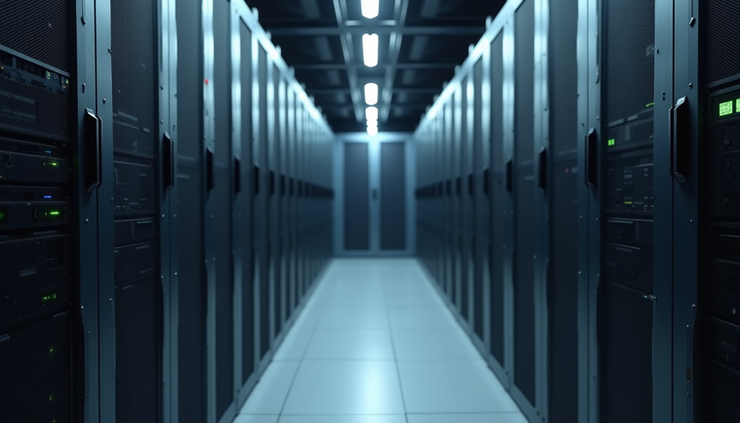
Combining Private AI and Air-Gap for Stronger Security
Using private AI in combination with an air-gap provides a powerful defense for AI surveillance systems. This combination offers several advantages:
Local data processing: Private AI processes data on-site, minimizing the need to transmit sensitive information over networks.
Controlled access: Air-gapping restricts who can physically or digitally access the system, limiting potential insider threats.
Faster response times: Processing data locally reduces latency, enabling quicker detection and response to security incidents.
Compliance and auditability: Organizations can better document and control data flows, supporting audits and regulatory compliance.
For instance, AIChecked solutions designed for private AI and air-gapped environments can be deployed in critical infrastructure facilities, such as power plants or transportation hubs, where security and privacy are paramount.
Practical Steps for Implementing Private AI and Air-Gap in Surveillance
Organizations looking to secure their AI surveillance systems should consider the following steps:
Design systems for local processing: Use AI models that can run efficiently on edge devices or local servers without relying on cloud services.
Establish physical network separation: Create dedicated networks for surveillance systems that are not connected to the internet or corporate intranet.
Implement strict access controls: Use multi-factor authentication and role-based permissions to limit who can access surveillance data and systems.
Regularly audit and update security protocols: Conduct security assessments to identify vulnerabilities and ensure compliance with privacy standards.
Train staff on privacy and security best practices: Educate employees about the importance of maintaining privacy and the risks of network exposure.
The Future of AI Surveillance Depends on Privacy and Security
As AI surveillance technology advances, the need for privacy and security will only grow. Organizations that prioritize private AI and air-gap strategies will protect sensitive data, maintain public trust, and reduce the risk of cyber threats. These measures are not just technical choices but essential steps to ensure AI surveillance serves society responsibly.
Leaders such as CEOs, CFOs, and CSOs must understand the risks and benefits of AI surveillance. Investing in private AI and air-gapped systems is a proactive way to safeguard assets and reputation while leveraging AI’s potential.
By focusing on privacy and air-gapping, organizations can build AI surveillance systems that are secure, trustworthy, and effective.


Comments